


Verify Course Approval
Patellofemoral Pain Syndrome: Differential Diagnosis and Management for Athletes
Get This Course and Hundreds More with an Unlimited Access CE Subscription!
Unlimited access to hundreds of CE hours included
Flexibility to complete your CE on your schedule, wherever you are!
New courses developed regularly, so you'll have up-to-date content to meet your needs and requirements
Course Description
This evidence-based course on Patellofemoral Pain Syndrome (PFPS) teaches clinicians how to diagnose, differentiate, and manage anterior knee pain across diverse populations including athletes, adolescents, and military personnel. Participants will learn advanced clinical examination techniques, including physical and psychosocial assessments, movement analysis, and validated outcome measures to accurately identify PFPS and distinguish it from other anterior knee pathologies. The course emphasizes a comprehensive biopsychosocial approach to rehabilitation, covering high-volume hip and knee strengthening, sex-specific biomechanics, and targeted corrective exercises. Clinicians will gain skills in applying digital health technologies, manual interventions, and evidence-based return-to-sport criteria while considering unique factors in adolescent, chronic pain, and military populations. By the end, participants will be equipped to design individualized, criteria-driven care plans that integrate biomechanical principles, psychosocial considerations, and emerging treatment modalities to improve function and reduce recurrence. Detailed case studies reinforce clinical reasoning and decision-making for complex PFPS presentations.
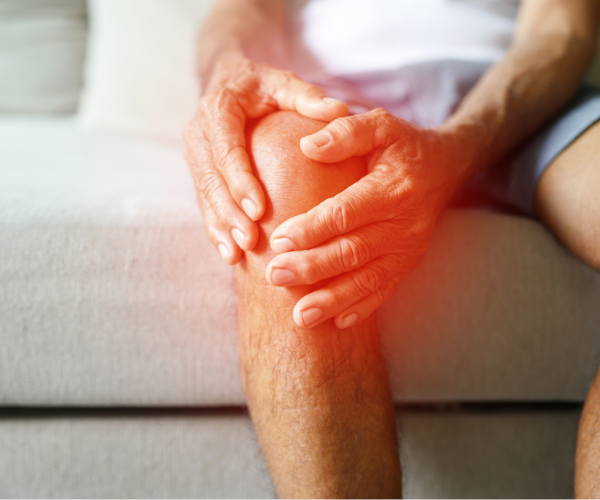
Patellofemoral Pain Syndrome: Differential Diagnosis and Management for Athletes
Additional Course Details
0:00 - Introduction and Learning Objectives
3:27 - Epidemiology and Risk Factors
8:15 - Pathophysiology and Neuromuscular Deficits
13:05 - Sex and Sport-Specific Considerations
19:02 - Clinical Evaluation and Diagnosis
23:32 - Physical Examination and Psychosocial Assessment
28:32 - Differential Diagnosis and Outcome Measures
33:54 - Outcome Measurement and Documentation
37:58 - Biomechanical Assessment and Movement Analysis
42:27 - Dynamic Movement Assessment and Corrective Exercise
47:13 - Corrective Exercise and Sex-Specific Biomechanics
51:52 - Conservative Management and Adjunctive Interventions
60:43 - Adjunctive Interventions and Digital Health Technologies
66:11 - Digital Therapeutics and Treatment Progression
69:08 - Sport-Specific and Sex-Specific Considerations
73:28 - Adolescent and Psychological Considerations
81:07 - Military and Sex-Specific Considerations
93:47 - Return-to-Sport Criteria and Psychological Readiness
98:19 - Integrated Case Studies
102:16 - Case Study One: Adolescent Soccer Player
106:18 - Case Study Two: Recreational Runner
111:28 - Case Study Three: Chronic Pain and Psychological Factors
- Analyze epidemiological data and pathophysiological mechanisms of patellofemoral pain syndrome to identify modifiable and non-modifiable risk factors across diverse populations.
- Apply evidence-based clinical examination techniques and diagnostic criteria to accurately differentiate patellofemoral pain from other anterior knee pathologies.
- Integrate biomechanical principles with functional movement assessment to identify kinetic chain dysfunctions contributing to patellofemoral loading abnormalities.
- Synthesize current evidence for exercise therapy, manual interventions, and emerging treatment modalities to develop individualized, multimodal treatment programs for patellofemoral pain.
- Develop tailored rehabilitation strategies addressing the unique biomechanical, developmental, and psychosocial factors affecting runners, adolescents, and female athletes with patellofemoral pain.
- Implement validated outcome measures and evidence-based return-to-sport criteria to objectively monitor treatment progress and guide safe return-to-activity decisions in patients with patellofemoral pain.
- Apply comprehensive clinical reasoning to complex patellofemoral pain presentations, integrating epidemiological knowledge, examination findings, biomechanical assessment, and evidence-based treatment selection to develop individualized management plans.
Personnel Disclosure:
Financial – Anne Osborn, PT, MPT is the member manager of Ridley Learning. She receives compensation for the authorship of this course.
Nonfinancial - no relevant nonfinancial relationship exists.
No relevant conflicts of interest exist for any member of the activity planning committee.
Intermediate
Cancellation Policy: For activity cancellation, returns, or complaint resolution, please contact us by email help@ridleylearning.com. We have a 100% satisfaction guarantee. Refunds will be issued for courses who's credit has not been issued (exams have not been completed), or for any course that has been rejected by your board of approval. Webinar cancellations and exchanges must be completed 24 hours prior to the scheduled start time.